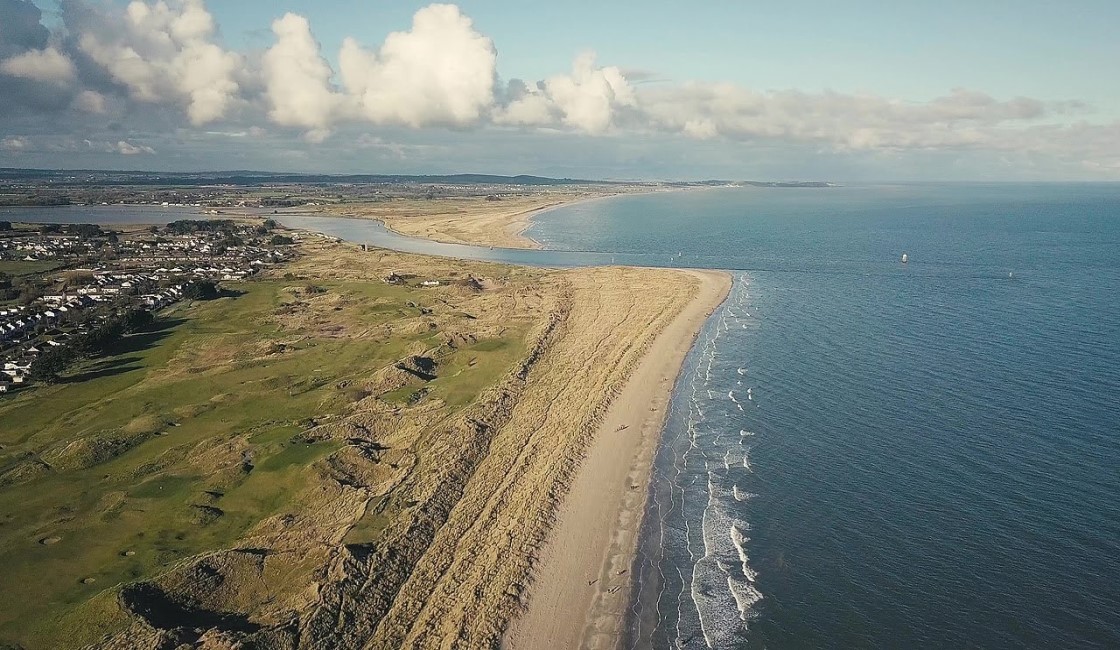

Spring is a wonderful time to explore the Boyne Valley coastline, when longer days, fresh sea air and quieter beaches create the perfect setting for coastal walks, wildlife spotting and moments of calm by the sea. Stretching along the Irish Sea through Counties Meath and Louth, the Boyne Valley coast blends vibrant seaside communities with deep history, offering something for every kind of visitor.
From wide sandy strands and gentle estuaries to dramatic headlands and fishing villages, this coastline has been shaped by thousands of years of human activity and natural forces. A spring visit allows you to experience it at its most peaceful, before the busy summer season begins.
Annagassan Beach, County Louth
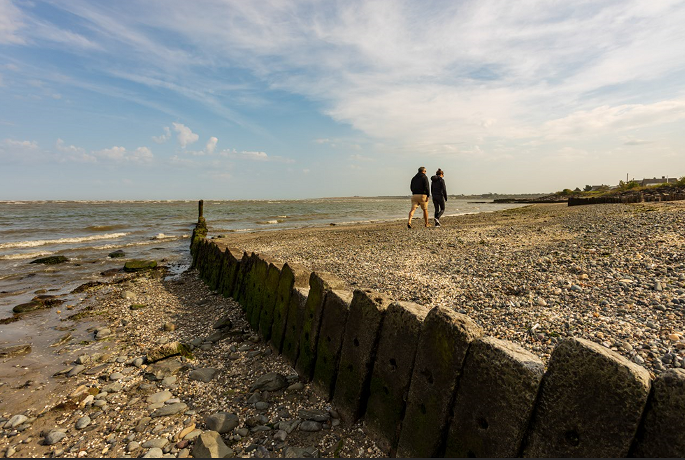
Image Credit- @sealouth
Annagassan is steeped in Viking history. During the ninth century, Vikings established a major longphort here known as Linn Duachaill. Long an archaeological mystery, recent discoveries have confirmed Annagassan as an important settlement with evidence of shipbuilding, metalworking and defensive structures, including an artificial island.
Today, Annagassan is a tranquil seaside village with a small harbour and beach offering beautiful views across Dundalk Bay towards the Cooley Peninsula. It is an ideal place for a reflective walk, combining coastal scenery with one of the most significant Viking stories on Ireland’s east coast.
Bettystown Beach, County Meath
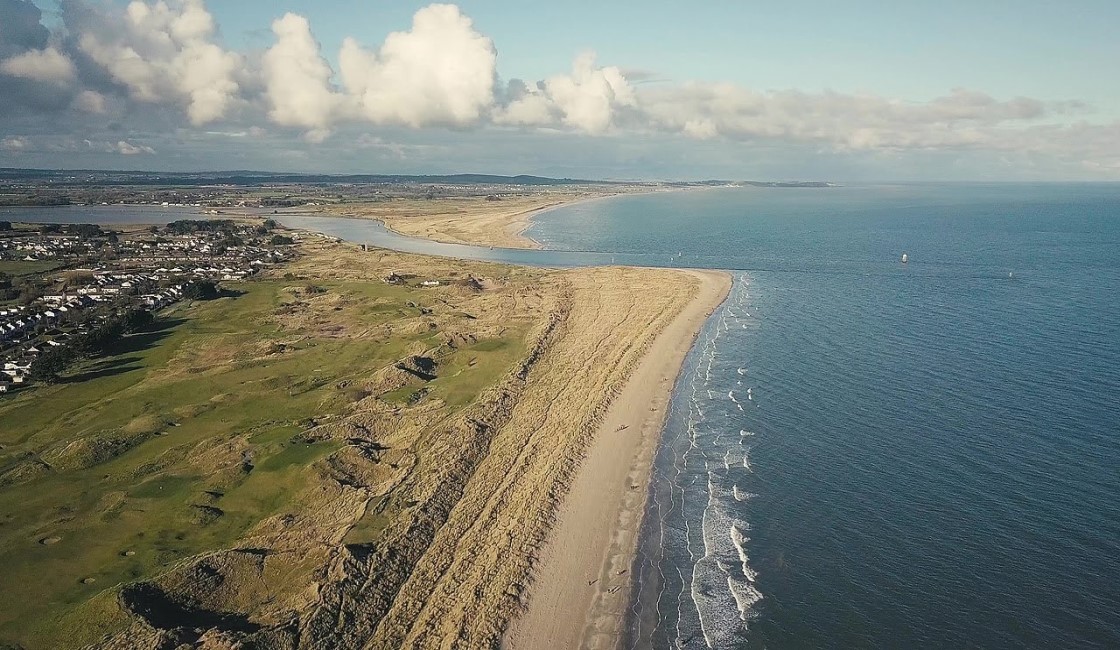
Bettystown Beach stretches from the mouth of the River Boyne on the Meath Louth border southwards to Laytown. The beach is famously associated with the discovery of the Tara Brooch, one of Ireland’s finest early medieval treasures, found here in the nineteenth century.
Bettystown holds both Blue Flag and Green Coast awards, recognising its excellent water quality and environmental standards. In spring, the beach is perfect for long walks along the shoreline, with views across the Irish Sea and the gentle sound of waves rolling in. The area also hosts the annual National Sandcastle and Sand Sculpturing Competition, adding a playful cultural element to this historic stretch of coast.
Clogherhead Beach and Headland, County Louth
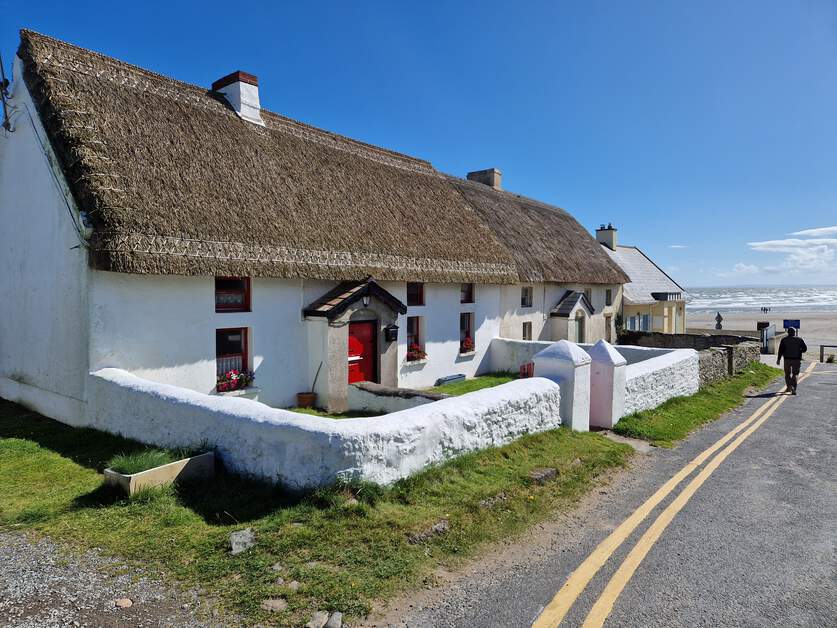
Clogherhead offers a striking contrast to the softer beaches nearby. Its sandy beach is backed by a lively village and a water adventure centre, while the nearby headland rises dramatically above the sea. This headland is the only high rocky outcrop on the east coast between the Mourne Mountains and Howth and is internationally significant for its geology, marking the point where the Iapetus Suture reaches Ireland’s east coast.
Designated as a Special Area of Conservation and an Area of Outstanding Natural Beauty, the headland supports rare coastal heathland vegetation. Informal walking paths connect the village to Port Oriel, offering sweeping sea views and excellent birdwatching opportunities. Grey seals are often seen in the harbour, and black guillemots nest in purpose built burrows along the harbour walls.
Gormanston Beach, County Meath
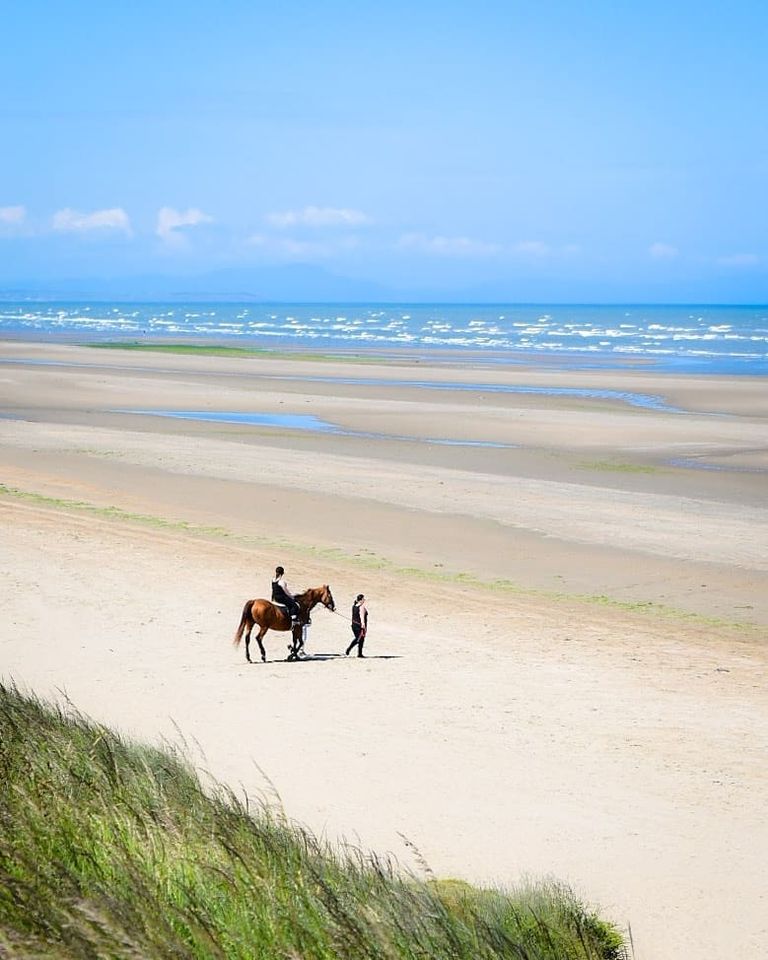
Located on the Meath Dublin border, Gormanston Beach is a long, open stretch of sand that feels wonderfully expansive. It runs northwards towards Laytown, where a small bridge allows walkers to cross the water. This beach is popular for walking, kite flying and simply enjoying the sense of space that comes from standing at the edge of land and sea.
In spring, the beach often feels wild and untouched, with seabirds skimming the shoreline and the sound of the waves uninterrupted by crowds.
Laytown Beach, County Meath
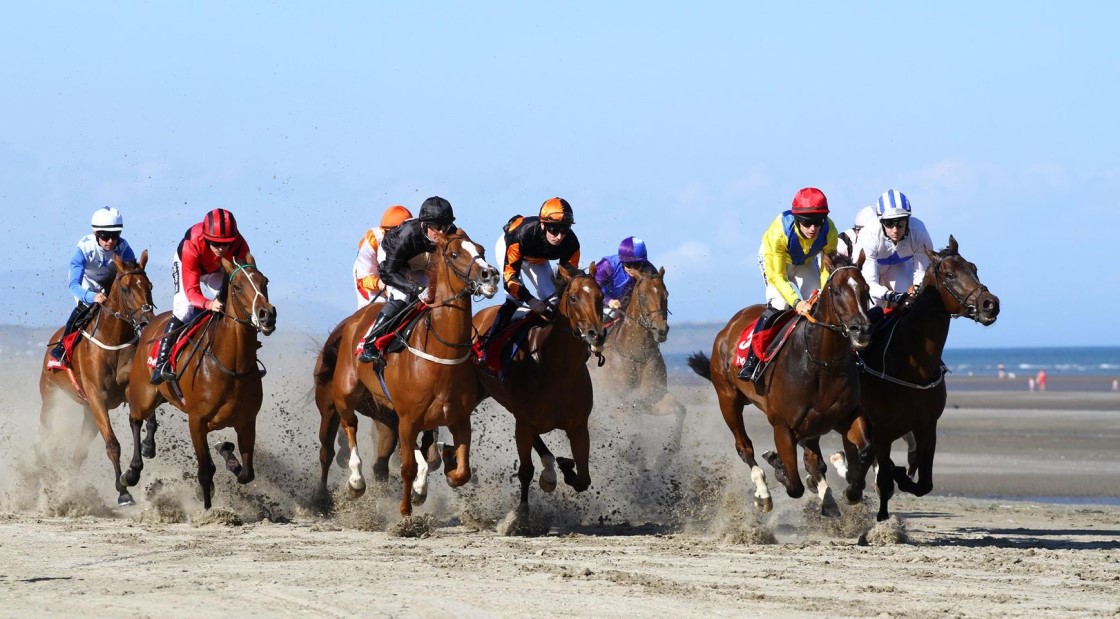
Laytown Beach forms part of the same continuous strand as Bettystown and is internationally famous for its unique horse racing tradition. The Laytown Races have been held here since 1868 and are the only race meeting in Europe run on a natural beach under official rules.
Outside race season, Laytown Beach is a peaceful place to stroll, especially in spring when the light changes constantly across the sand and sea.
Mornington Beach, County Meath
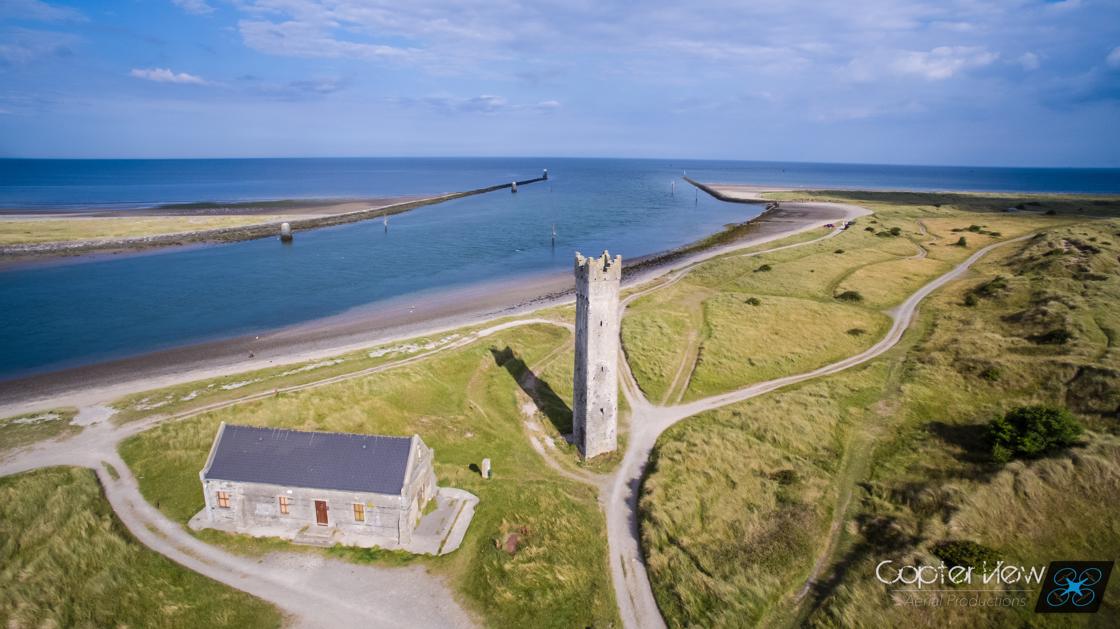
Mornington Beach sits at the mouth of the River Boyne, where river and sea meet. This location has been strategically important for centuries, and visitors will notice two distinctive landmarks: the Maiden Tower and the Lady’s Finger, historic navigation markers that once guided ships safely into Drogheda port.
Within walking distance of Mornington village and just a short drive from Drogheda, this beach offers a unique perspective on the Boyne Valley, linking the coastline directly to the river that gives the region its name.
Seapoint Beach, County Louth
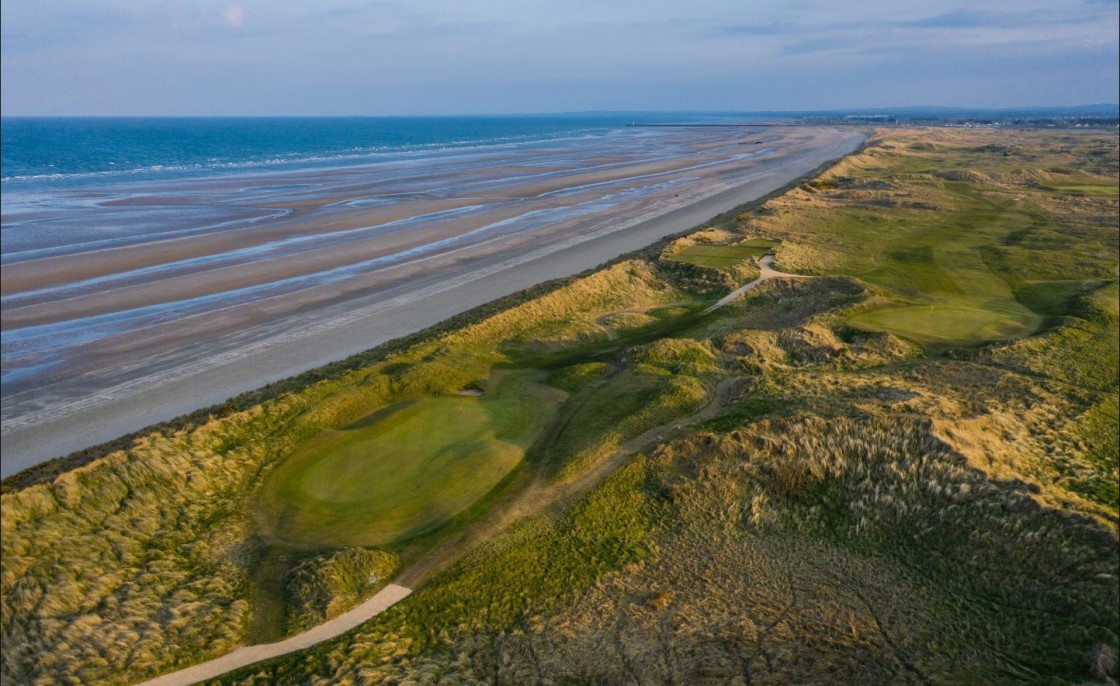
Seapoint Beach, accessed via Termonfeckin village or Baltray, is framed by two renowned links golf courses and is popular with walkers throughout the year. A shipwreck visible along the shoreline adds an element of intrigue, while the beach itself has been recognised with a Green Coast Award for its environmental quality.
Springtime walks here are especially rewarding, with fresh coastal air, wide skies and the chance to spot marine life along the shore.
Port Beach, County Louth
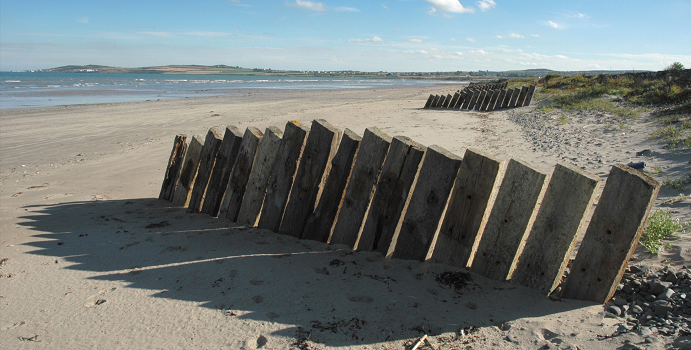
Image Credit @VisitLouth
Just north of Clogherhead village, Port Beach is a wide sandy beach backed by dunes and rich coastal habitats. It has earned Blue Flag status for its cleanliness and water quality and offers stunning views towards the Mourne Mountains on clear days.
The beach is home to a diverse range of flora and fauna, making it a favourite with nature lovers. In spring, wildflowers begin to appear in the dunes, and the beach feels alive with the signs of seasonal change.
The Boyne Valley coastline is a place where history, nature and community come together. From ancient Viking settlements and medieval treasures to protected habitats and living traditions, every stretch of shore tells its own story.
This spring, take the time to slow down and discover the quieter side of the Boyne Valley by the coast. Whether you are walking, learning, or simply enjoying the view, the coastline offers a refreshing and deeply rewarding experience.
To keep up to date with news, events and special offers, sign up to our newsletter.