Navan | Discover Boyne Valley

Navan

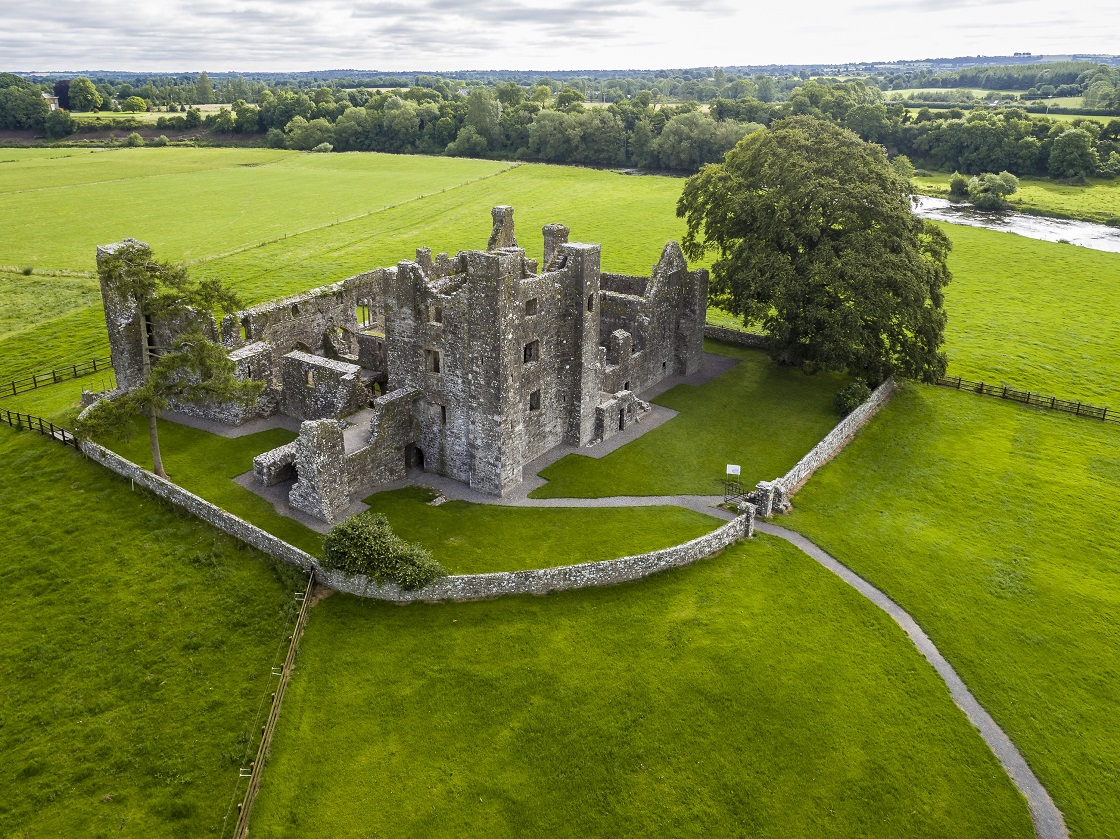
Bective Abbey

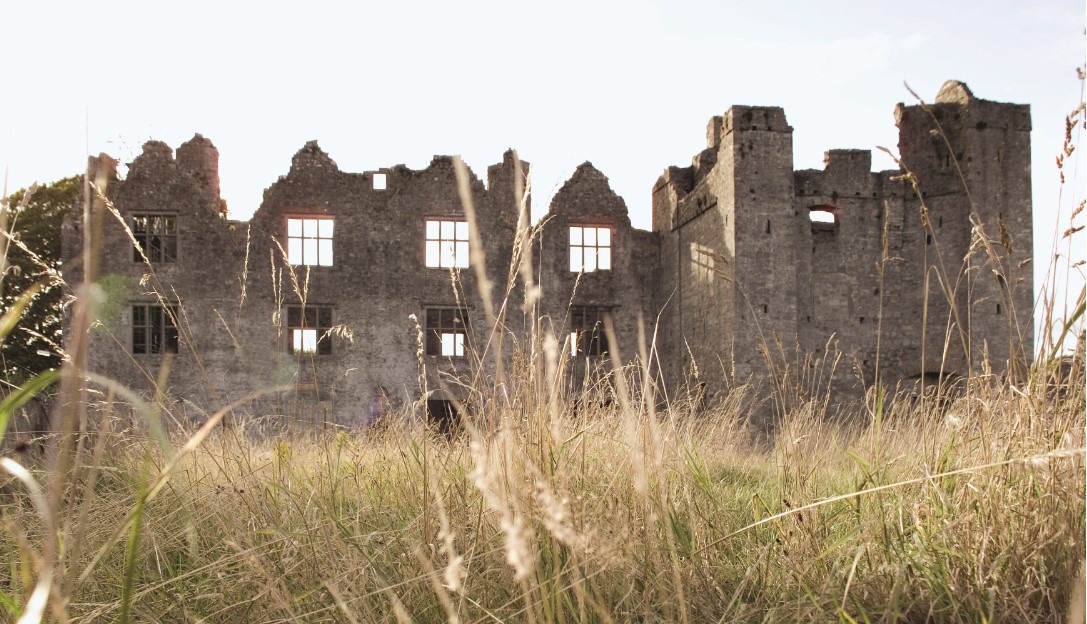
Bective Abbey was founded in 1147 for the Cistercian Order by Murchad O'Maeil- Sheachlainn, King of Meath. It was Ireland's second Cistercian Abbey; a daughter house to Mellifont Abbey in Louth. The Cistercians had been founded to recapture the original simplicity of monastic life; this was reflected in their restrained buildings.

(041) 988 0300
brunaboinne@opw.ie

Just off the R161, at Ballina, Co. Meath.

View location on Google Maps here 

From M1 Motorway

At junction 10, take the N51 exit.

Continue onto R161 & turn left onto L4010 (Navan Road)

From Navan

Take the 1st exit onto Railway Street & continue onto R161 & turn left onto L4010 (Navan road)

From Drogheda

At the roundabout, take the 1st exit onto N51

Continue onto R161 & Turn left onto L4010

From Dublin M3

Continue onto Navan Road/N3, take exit onto R156

Merge onto M3, at junction 7, take the R147

Continue onto L4010

Access year round

Free

53.5819
-6.70372

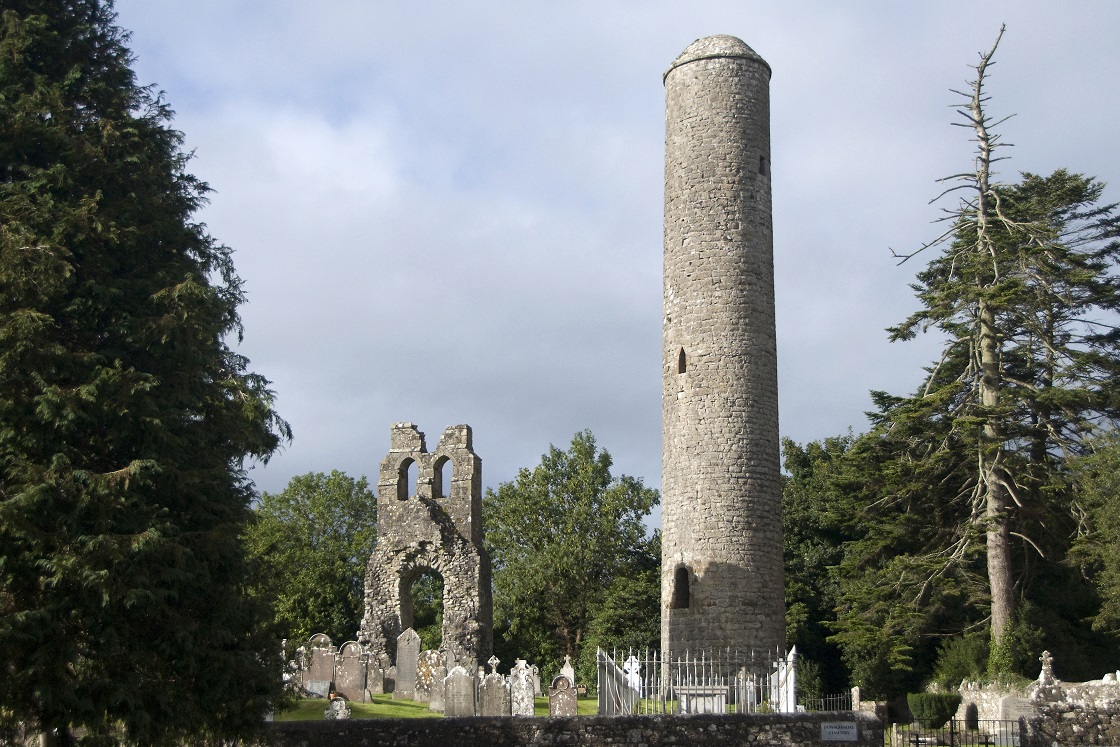
Donaghmore Round Tower & Cemetery

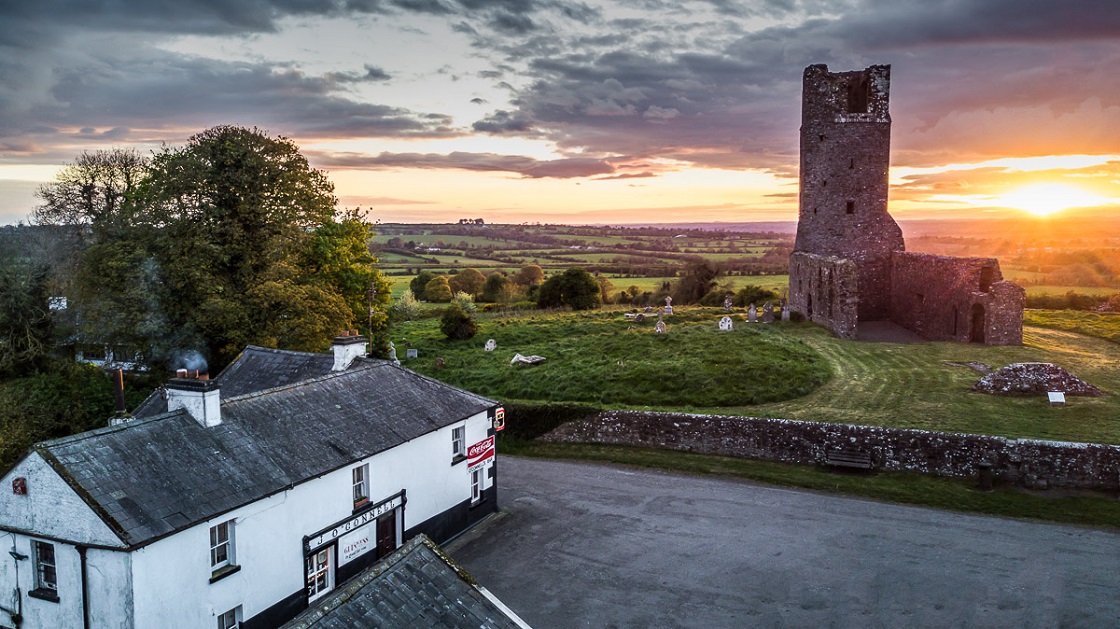
Saint Patrick is said to have first founded a monastery here, giving charge of it to one of his followers, St. Cassanus. The existing ruins, however, do not date back that far. The architectural style of the church indicates it was built in the 15th Century. Most likely, it replaced an older church built in the Romanesque style; a carved Romanesque head is incorporated in the south wall of the bell tower. The round tower predates the church and was built in the 9th or 10th century. It is well-preserved though missing its conical cap.

Slane Road,Navan

View location on Google Maps here 

From Dublin take the M3 motor way(this road is tolled), leaving at Exit 8 or N3 to Navan, on continue through Navan and take a right just beyond the turn for Kentstown, you will see a sign N 51 Kingscourt /Drogheda, go up Flower Hill and keep right round the roundabout at the Round O public house. The cemetery is about a mile on the left-hand side of the Slane road, you will see a sign with a P (Park) & + Cross, turn left here and a few yards up this road you will see a Round Tower and gate leading to the cemetary.

Via M1 Motorway or Drogheda: From the M1 (this road is tolled) coming from Belfast, take the exit for junction 10, take the N51 exit to Slane/Drogheda North. At the roundabout, take the 3rd exit onto N51 headed for Slane. If coming from Drogheda take the N51 headed towards Slane also. Continue on the N51 through slane towards Navan after approx 9kms there should be signage for Donaghmore Round Tower & cemetary

Free

53.6707
-6.66245

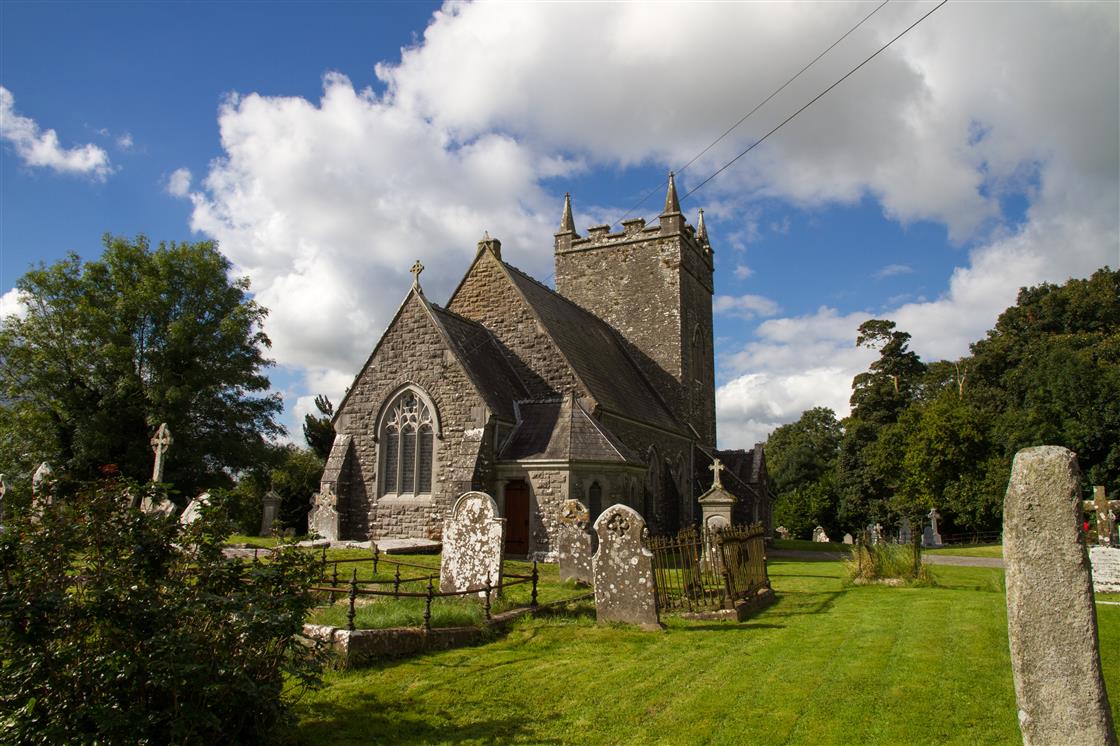
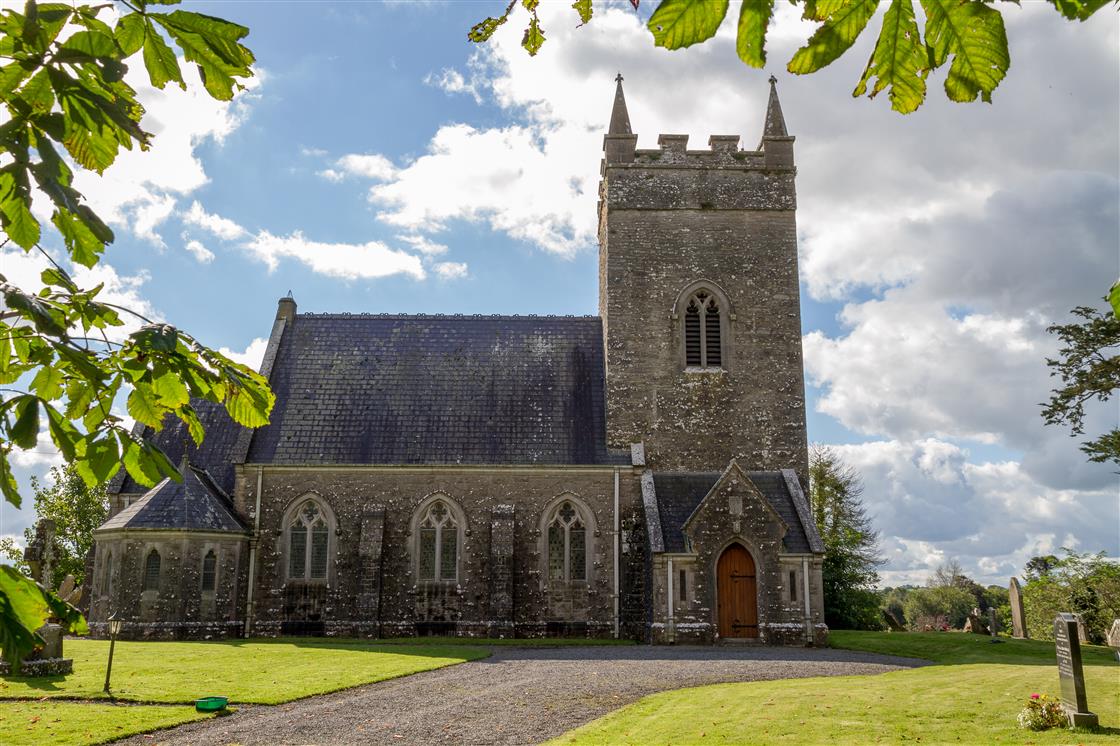
Donaghpatrick Church

Saint Patrick`s Church was built in 1896, designed by J.F. Fuller, an authority on the Hiberno-Romanesque style

In 1862 the London-trained Fuller had answered an advertisement for a district architect under the Irish Ecclesiastical Commissioners; he was chosen from among 97 candidates: St. Patrick`s is one of his finest creations.

Donaghpatrick Church and site

Donaghpatrick,Teltown,Co. Meath

View location on Google Maps here 

From Dublin take the M3 motor way (this road is tolled), leaving at Exit 9 At the roundabout, take the 3rd exit onto N51, Go through 2 roundabouts, At the roundabout, take the 1st exit onto Kells Road/R147. Continue to follow R147, (6km) Turn right toward Windtown Road, Turn left onto Windtown Road, Donaghpatrick, Co. Meath

Via M1 Motorway or Drogheda: From the M1 (this road is tolled) coming from Belfast, take the exit for junction 10, take the N51 exit to Slane/Drogheda North. At the roundabout, take the 3rd exit onto N51 headed for Slane. Coming from Drogheda take the N51 headed towards Slane also. Continue on the N51 through Slane. At the roundabout, take the 3rd exit onto N51, Go through 1 roundabout, (13km) Turn right onto Ratholdren Road, Continue onto Windtown Road for 3km and then you reach Donaghpatrick.

Free

53.6964
-6.76

Hill of Skryne

Skryne, or Skreen as it is officially known, is a small village situated on and around a hill. The hill is a short distance east of the Hill of Tara and the area is sometimes referred to as the Tara/Skryne Valley. One can enjoy wonderful views of each hill from the summit of the other. In the 12th century, Hugh de Lacy granted the Barony of Skryne to his finest knight, Adam de Feipo. He subdivided it and granted twenty of his followers with land grants.

Hill of Skryne,

Skryne,

Co. Meath

Eircode (O'Connell's Pub): C15 EY76

View location on Google Maps here 

From Navan:

Get on the R147 heading towards Dublin. Continue on this road (through three roundabouts) for about 11Km. Take a left at Ross Cross for Skryne. Continue on the Old Ross Road until you come to the next crossroads. Take a left for The Green at Swans Pub and then take the first left after you turn. Arrive at the Hill of Skryne. From Trim: Take the R154 headed towards Dublin/Clonee. After 10Km turn left toward Knightsfield Park. Continue straight onto Knightsfield Park. Continue onto Old Ross Road. Turn left onto R147 and then take the immediate right for Skryne onto Old Ross Road. Continue on the Old Ross Road until you come to the next crossroads. Take a left for The Green at Swans Pub and then take the first left after you turn. Arrive at the Hill of Skryne.

Via M1 Motorway or Drogheda:

Take the M1 (this road is tolled) coming from Belfast. At junction 7, take the R132 exit to Julianstown/Balbriggan (North). At the roundabout, take the 1st exit onto R132. Turn left onto R150. Turn right onto R150/R152. Take the 1st left onto R150. Turn left onto N2. Turn right onto R153. Turn left for the road towards Trim. Continue on this road until you reach Skryne. Take a right for The Green at Swans Pub and then take the first left after you turn. Arrive at the Hill of Skryne.

From Dublin:

Take the M3 (this road is tolled) headed for Cavan. At junction 6, take the R125 exit to Dunshaughlin/Trim. At the roundabout, take the 3rd exit onto R125. At the roundabout, take the 1st exit and stay on R125. At the roundabout, take the 1st exit onto R147. At Ross Cross turn right for Skryne onto Old Ross Road. Continue on the Old Ross Road until you come to the next crossroads. Take a left for The Green at Swans Pub and then take the first left after you turn. Arrive at the Hill of Skryne.

Free access.

Free access.

53.5843
-6.5629

Hill of Tara

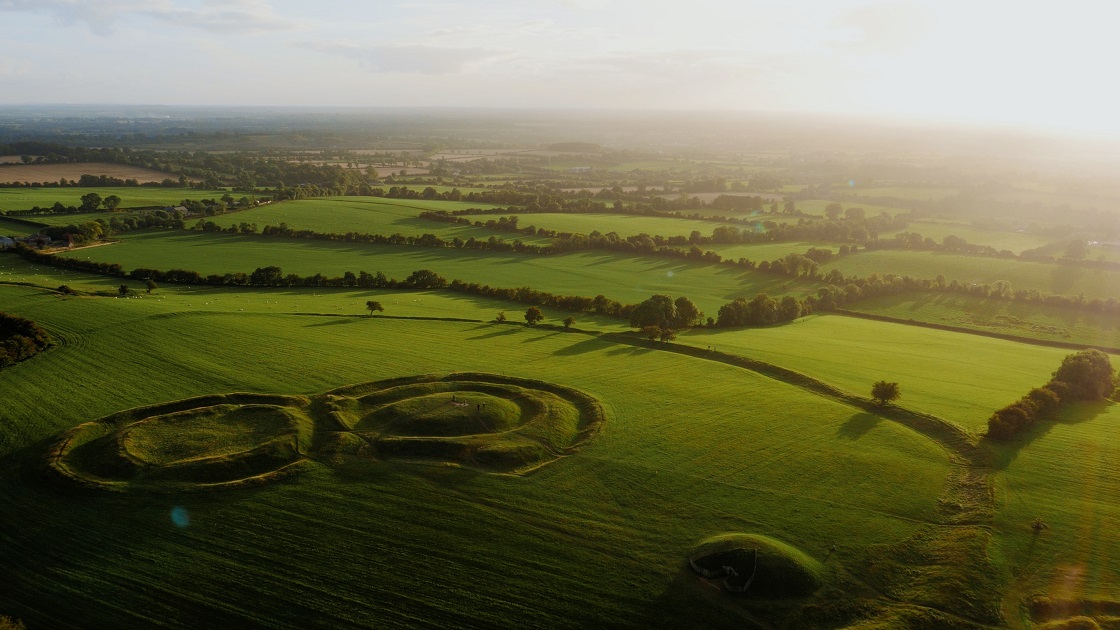
The Hill of Tara is the jewel in the crown of the Boyne Valley landscape. A site that has been in use for more than 5000 years as a place of burial and assembly, it grew to fame as the legendary inauguration site of the ancient High Kings of Ireland. From its rolling slopes one can see all the way to the other great sites of the Boyne Valley, including Loughcrew Cairns, the Hill of Slane, Trim Castle and beyond. In later centuries it remained the focus of Gaelic identity and remains to this day the beating heart of Ireland. 


May to September (Hill of Tara Visitor Centre) +353 46 902 5903. Out of Season contact: (Brú na Bóinne) +353 41 988 0300
hilloftara@opw.ie

Hill of Tara,

Dunsany,

Navan

Co. Meath

C15 P44W

View location on Google Maps 

From Navan:

Get on the R147 heading towards Dublin. Continue on this road (through three roundabouts) for about 8Km. Take a right at the sign for the Hill of Tara. Continue up the hill until you reach your destination on the left.

From Trim:

Take the R154 headed towards Dublin/Clonee. After 5km turn left for Kilmessan on L2205. In Kilmessan take a sharp right onto Skein Abbey. Continue to the end of this road and take a left, arriving at the Hill of Tara.

Via M1 Motorway or Drogheda:

Take the M1 (this road is tolled) coming from Belfast. At junction 10, take the N51 exit to Drogheda (North)/Navan/Collon. At the roundabout, take the 1st exit onto N51 for Slane. In Slane take a left onto the N2 towards Dublin. Take a right onto the R153 for Navan/Kentstown. Take a left for the road towards Trim. Continue on this road until you reach the R147. Take a left onto the R147 and continue through the two roundabouts. Take a right at the sign for the Hill of Tara. Continue up the hill until you reach your destination on the left.

From Dublin:

Take the M3 (this road is tolled) headed for Cavan. At junction 7, take the R147 exit to Skryne/Johnstown. At the roundabout, take the 1st exit onto R147. Take a right at the sign for the Hill of Tara. Continue up the hill until you reach your destination on the left.


The Hill of Tara is an open site and is accessible at anytime.

Visitor Centre

May – September 2026

Daily 10:00 – 17:00

Please see the Heritage Ireland website for visitor centre opening hours.

https://www.facebook.com/hilloftaraOPW/

Admission to the site: Free of Charge

53.5813
-6.60963

Navan Points of Pride

Welcome to ‘Points of Pride’ a walking tour of Navan designed to showcase the best of Navan’s heritage, with reference to the town’s rich historical past and more recent developments. It is a celebration of the people, the architecture and the culture of Navan.

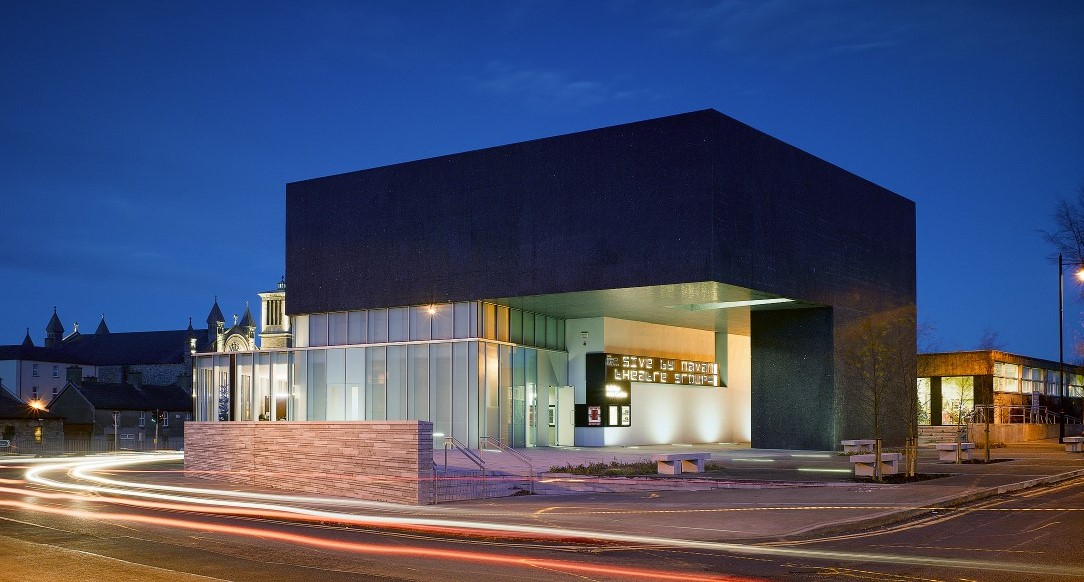
Navan Points of Pride town walk starts at the Solstice Arts Centre and is 4km long. Collect your brochure at the Solstice and enjoy the walk!

At a leisurely pace it can be completed in approximately 2 hours and profiles the following points:

+353 (0) 46 9092300
info@solsticeartscentre.ie

Solstice Arts Centre and Tourism Information Point,

Railway St,

Navan,

Co. Meath

53.65016439780257
-6.685872501736628

Navan Town

History of Navan

The burgeoning town of Navan lies at the confluence of the rivers Boyne and Blackwater. It is the county town, or administrative capital, of Co. Meath. The name Navan has long confused etymologists. It is thought that it may take its name from the Irish An Uaimh, meaning ‘the cave' or perhaps from Nuachongbhail, meaning ‘new habitation'. Navan was accredited Purple Flag in 2015 promoting a well managed vibrant town with an impressive nighttime economy.

+353 (0) 46 9092300
info@solsticeartscentre.ie

Solstice Arts Centre and Tourism Information Point, Railway St., Navan, Co. Meath

View location on Google Maps 

From Dublin:

Take the M3 (this road is tolled) headed for Cavan. At junction 8, exit toward R147Navan (South). Merge onto Navan (South). Turn left onto R147. Arrive at destination. Via M1 Motorway or Drogheda: Take the M1 (this road is tolled) coming from Belfast. At junction 10, take the N51 exit to Drogheda (North)/Navan/Collon. At the roundabout, take the 1st exit onto N51 for Slane. Continue on the N51 to Navan.

From Trim:

Head south on Castle Street. At the roundabout take the 1st exit onto R154 to Navan. At the traffic lights turn right onto the R161. Continue on this road until arriving in Navan. From Kells: Take the R147 headed towards Navan/Dublin. Continue on this road until arriving in Navan.

Monday to Saturday, 9.30am - 4.00pm

N/A

53.6501590055968
-6.685881599220233

Nobber

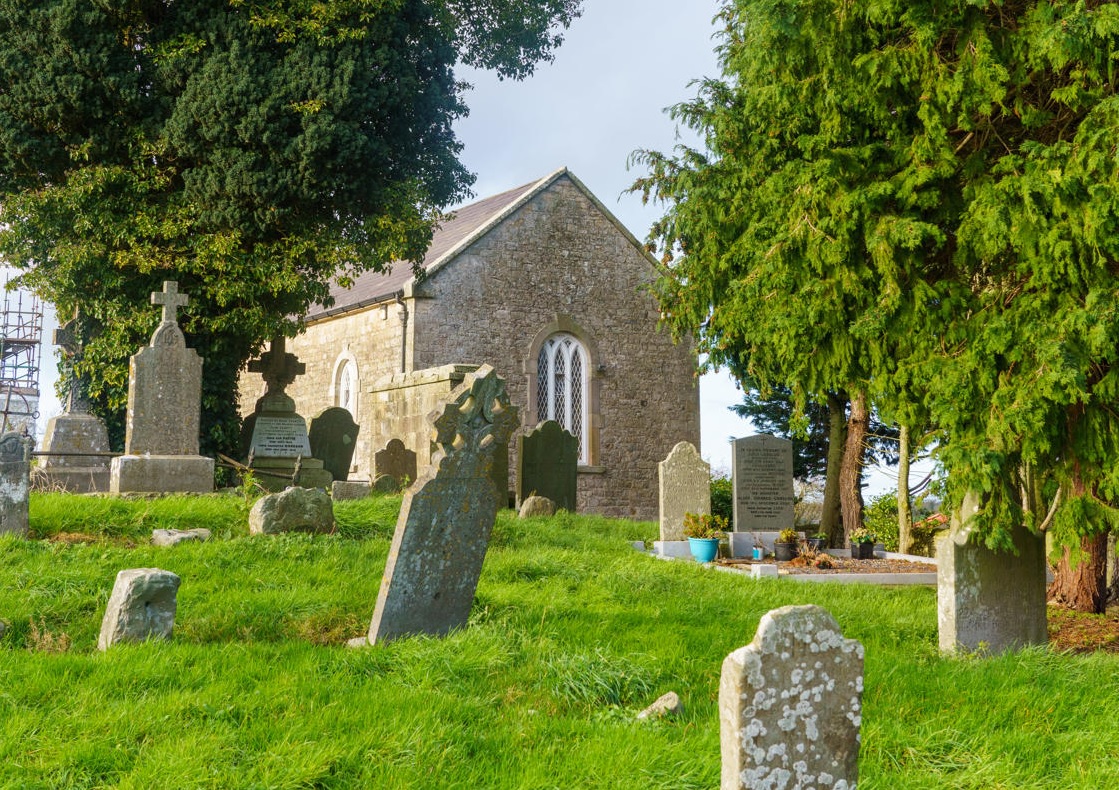
(Nobber mediveal church ruin and modern Church of Ireland church, now George Eogan Cultural and Heritage Centre: Photo, Henry Cruise)

Nobber: from the prehsitoric to the present day

The town of Nobber and its surrounds is an ancient settlement that can trace its roots back to Mesolithic Ireland, c.6,000 BC. The name Nobber come from the Irish word “an Obair” ('the work'), which refers to the Norman motte at the north end of the village.

nobberheritage@gmail.com
https://www.facebook.com/NobberHeritageCentre/
53.8217384521912
-6.7479354245739875

Teltown; the Táilteann Games

There was an ancient games played at modern day Teltown that predate the Olympics in Greece. The games held every year brought people from all over Ireland to compete over the course of three days. Mythology says that the games originated as a tribute to Taillte, the former wife of a slain Fir Bolg King. She remarried to a Tuatha Dé Danann. She became foster mother to Lugh. She chose her burial site at Teltown and requested that the trees be cleared to make space for her funeral games. Lugh honoured his mother with the inaugural Táilteann games when she died on the first of August.

+353 (0) 46 902 3239
teltownhouse1@gmail.com

Telltown,

Donaghpatrick,

Navan,

Co. Meath.

C15 X302

Please contact Teltown House for access.

53.69954955838323
-6.783277093390745

The origins of Navan

While in Spain, éremón (son of Míl Espáine) married Odhbha, who bore him three sons. After a time he abandoned her in favour of a Dé Danann woman (Tea, who would later give her name to Tara). When éremón invaded Ireland his wife Odhbha followed him. Stricken by the grief of her husband's rejection she died soon after arriving. Her three children raised a mound in which to bury her. It is thought that Navan may take its name from the Irish word for cave (An Uaimh) – the cave within the mound in which Odhbha's remains have rested for the past three thousand years.